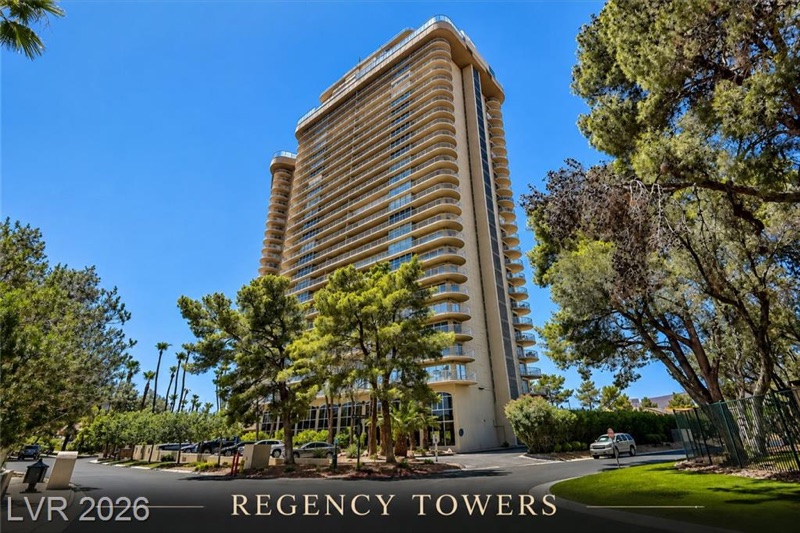
Las Vegas high-rise condos range from private residences above a luxury hotel in CityCenter to mid-range towers a few minutes off the Strip. They offer lock-and-leave living, concierge-style service and views you can't get from a single-family home.
They also come with issues single-family shoppers never face: HOA dues that cover elevators and staff, condo-specific financing rules, rental restrictions and a resale disclosure package you need to actually read. None of that is a reason to skip a high-rise. It's a reason to vet the building as carefully as the unit, because the building's finances and rules shape your costs, your loan and your resale. Here's the plain-English version of what I walk my clients through.
From my own listings: I've listed a high-rise residence near the Strip, so I know how much the HOA documents, reserves and building rules matter to buyers. I'll help you read them before you commit.
Residential towers vs. condo-hotels
The first question isn't which building; it's which type of building.
- Residential high-rises are full-time homes: concierge, valet, pool deck and fitness center, governed by an HOA and CC&Rs. Many limit or prohibit nightly rentals.
- Condo-hotels are individually owned units inside a hotel operation. Owners can often place the unit in the hotel's rental program when they're not using it. The Signature at MGM Grand and Trump International are well-known examples.
Condo-hotels can generate rental income, but the operator takes a significant share, owner use can be restricted, and financing is much harder. Residential towers behave more like normal homes. Neither is better; they're different products for different goals.
Where are the high-rise condos in Las Vegas?
| Building | Location | What to know |
|---|---|---|
| Waldorf Astoria residences | CityCenter, on the Strip | Private residences on the upper floors above a non-gaming luxury hotel |
| Veer Towers | CityCenter, on the Strip | Twin leaning glass towers; residential, no casino |
| Sky Las Vegas | North end of the Strip | Residential tower with Strip views |
| Turnberry Place and Turnberry Towers | East of the Strip, near Paradise Rd | Multi-tower residential complexes |
| Panorama Towers and The Martin | Dean Martin Dr, just west of I-15 | Views back toward the Strip from the west side |
| Park Towers | Hughes Center, east of the Strip | Two towers in a quieter office-district setting |
| One Las Vegas | South end of Las Vegas Blvd | Two towers, generally mid-range pricing, quick access to I-15 and the 215 |
Prefer an urban neighborhood to a resort corridor? Downtown Las Vegas has its own condo and loft options. For the top-tier buildings, my luxury homes guide covers how I evaluate them.
HOA dues and reserves: what you're paying for
High-rise HOA dues run well above typical single-family dues because they cover what a house owner pays separately or never pays at all: building insurance, elevators, staffing, security, amenities and sometimes utilities. Dues vary widely by building, so ask me for current figures.
The dues number matters less than what's behind it. Before you buy, look at:
- The reserve study. Nevada associations must update reserve studies periodically. Compare what the study says the building will need against what's actually in the reserve fund.
- The budget history. Steady, modest increases are healthier than years of flat dues followed by a jump.
- Special assessments. Ask whether any are approved, proposed or under discussion.
- Litigation. Pending construction-defect or other lawsuits can affect financing and resale.
- The master policy deductible. If it's large, owners can be assessed their share after a claim.
My HOA fee explainer covers the basics.
Condo financing: warrantable vs. non-warrantable
Lenders don't just approve you; they approve the building. A warrantable condo meets Fannie Mae and Freddie Mac guidelines, which opens up conventional loans. A non-warrantable condo doesn't, often because of:
- A high share of units owned by investors or a single entity
- Hotel-style operations, rental programs or front-desk check-in
- Pending litigation or high HOA delinquencies
- A large share of commercial space
Non-warrantable doesn't mean unbuyable. It usually means a portfolio or specialty loan, a larger down payment and sometimes a higher rate, or a cash purchase. Condo-hotels almost always land in this bucket.
FHA and VA loans depend on project approval: VA keeps its own list of approved condo projects, and FHA generally requires HUD project approval, with a limited single-unit approval path in some cases. Many towers aren't approved, so check before you fall for a unit. My VA loan guide has more. Confirm the specifics with your lender.
Renting it out: leases, short-term rentals and rental programs
If you're buying as an investor, read the rules before the floor plan.
- Long-term leasing. Many residential towers allow it but set minimum lease terms, registration requirements or caps. The CC&Rs control.
- Short-term rentals. Clark County and the City of Las Vegas both regulate short-term rentals tightly, and many residential towers prohibit nightly rentals outright. Don't buy a residential high-rise on an Airbnb plan.
- Condo-hotel rental programs. In a condo-hotel, nightly income usually runs through the hotel's own program, which sets the revenue split, fees, furnishing standards and owner-use limits.
My Las Vegas investing guide covers how I underwrite rentals. Run tax and entity questions by a CPA or attorney.
The resale package and HO-6 insurance
When you buy a resale condo in Nevada, the seller provides the HOA's resale package: the CC&Rs, bylaws and rules, the current budget, reserve information and the unit's account status, including any unpaid assessments or violations. Under Nevada law, you generally have five calendar days after receiving it to cancel the contract.
Use those five days. Read the rules on pets, leasing, renovations and move-ins, and flag anything in the budget or reserves that looks like trouble.
You'll also need an HO-6 policy, the condo version of homeowners insurance. The HOA's master policy covers the building and common areas; your HO-6 covers your interior finishes, belongings and liability, and it can add loss-assessment coverage in case the HOA bills owners after a big claim. Ask your insurance agent to review the master policy before quoting.
Buying a high-rise condo: my advice
- Decide residential or condo-hotel before you tour. It changes the financing, the rules and the resale market.
- Get the building cleared by your lender early. Don't wait until you're in escrow to learn it's non-warrantable.
- Read the reserve study, not just the dues.
- Check what could block your view. Ask what's planned for nearby parcels.
- Visit at night and on an event weekend. Noise, elevator waits and valet lines all look different then.
- Confirm parking, storage and pet rules in writing.
Dana's tip: Ask your lender to review the building's condo questionnaire as soon as your offer is accepted, before inspections. If the building doesn't qualify for your loan type, you want to know while you still have options.
When you're ready, browse current listings or take the neighborhood quiz.
Las Vegas High-Rise Condos questions
What is a non-warrantable condo in Las Vegas?
A non-warrantable condo is in a building that doesn't meet Fannie Mae and Freddie Mac guidelines, often because of hotel-style operations, heavy investor or single-entity ownership, pending litigation or high HOA delinquencies. You can still buy one, usually with a portfolio or specialty loan, a larger down payment or cash. Confirm a building's status with your lender before you make an offer.
Can I use an FHA or VA loan to buy a Las Vegas high-rise condo?
Only if the building qualifies. VA loans require a VA-approved condo project, and FHA generally requires HUD project approval, with a limited single-unit option in some cases. Many towers aren't approved, so check before you fall for a unit. My VA loan guide covers the details, and your lender can confirm a specific building.
Can I rent my Las Vegas condo on Airbnb?
Usually not in a residential high-rise. Clark County and the City of Las Vegas regulate short-term rentals tightly, and many residential towers prohibit nightly rentals in their CC&Rs. Condo-hotels are different: nightly income typically runs through the hotel's own rental program, with its own revenue split and rules. Read the documents and confirm legal questions with an attorney.
What's the difference between a condo-hotel and a residential high-rise?
A residential high-rise is a building of full-time homes with an HOA and resident amenities. A condo-hotel is a building where individually owned units sit inside a hotel operation, and owners can often place their unit in a rental program. Condo-hotels can earn nightly income but come with operator fees, owner-use limits and harder financing.
What is in a Nevada HOA resale package?
The resale package includes the governing documents (CC&Rs, bylaws and rules), the current budget, reserve information and the unit's account status, including dues owed, assessments and violations. Under Nevada law, buyers generally have five calendar days after receiving it to cancel. Use that window to read everything, and confirm any legal questions with an attorney.
Do I need HO-6 insurance for a Las Vegas condo?
If you have a mortgage, your lender will typically require it, and it's smart even if you pay cash. The HOA's master policy covers the structure and common areas; an HO-6 covers your interior finishes, belongings and liability, and can add loss-assessment coverage. Have your insurance agent review the master policy before quoting.
Weighing Las Vegas High-Rise Condos against another area?Put up to three neighborhoods side by side.
CompareUpdated