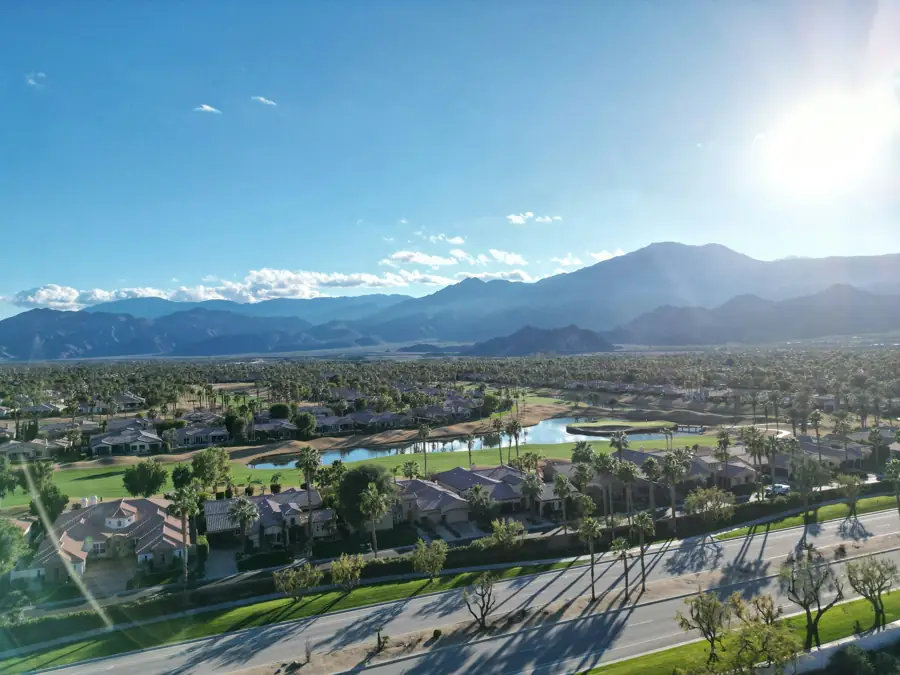
New construction homes in Las Vegas are going up from Summerlin West to Skye Canyon to Cadence and North Las Vegas. Buying new feels simpler than resale: a model home, a price sheet, a friendly sales office. In practice, it's a negotiation with a company that writes its own contract.
This guide covers where building is happening, why to bring your own agent on the very first visit, how builder incentives and preferred lenders work, lot premiums, the design center, spec homes versus to-be-built, independent inspections, what's usually not included, SIDs and LIDs, warranties, and the fine print. The free playbook turns it all into scripts and checklists.
At a glance
- Bring your agent on the first visit; many builders won't recognize one you add later.
- Builder incentives often require their lender. Compare full Loan Estimates, not headlines.
- Set your design-center budget before you walk in, and spend it on structural items first.
- Hire your own inspector for pre-drywall and final, even on a brand-new house.
- The builder's contract is written for the builder. Read every page.
Where are new homes being built in Las Vegas?
Most new-home activity happens on the edges of the valley, inside master-planned communities and along newer infrastructure. These are the main areas I track:
- Summerlin West. The newer western villages of Summerlin, the Howard Hughes master plan along the Red Rock foothills, with a wide mix of builders and price points.
- Skye Canyon. The northwest valley off US 95, heading toward Mount Charleston. My Skye Canyon guide covers the layout.
- Cadence. East Henderson near Lake Mead Parkway, built around a large central park. See my Cadence guide.
- Inspirada. A southwest Henderson master plan organized around a network of neighborhood parks. More in my Inspirada guide.
- Southwest and Enterprise. Newer communities south of the 215 Beltway in Enterprise, around Southern Highlands and Mountain's Edge.
- North Las Vegas. Newer master plans in the northern part of North Las Vegas, including the Villages at Tule Springs.
- Lake Las Vegas. Newer neighborhoods on the hills around the lake in east Henderson.
National and regional builders active in the valley include Toll Brothers, Lennar, Pulte and its Del Webb brand, KB Home, Taylor Morrison, Shea Homes, Woodside Homes, Richmond American, and Tri Pointe, among others. Which builders are selling in which master plan changes as phases open and sell out, so ask me for the current lineup. I don't rank builders. I help you evaluate the specific plan, lot, and contract in front of you.
Choosing between these areas comes down to commute, budget, and the stage of each master plan. Buying in an early phase can mean living beside active construction for a while, with parks and retail still to come. Later phases have more finished amenities but fewer lots to choose from, and sometimes higher base prices.
Why bring your own agent, and register on the first visit
The friendly person in the model home works for the builder. Their job is to sell homes at the builder's price on the builder's contract. Your agent's job is to look out for you.
Here's the catch: most builders have registration rules. If you walk into a sales office and sign the guest card without your agent, the builder may refuse to recognize an agent you bring in later. Some builders treat an online inquiry or interest-list sign-up as your first contact, too. That can leave you without representation for the rest of the process.
Dana's tip: Before you visit any model or fill out a builder's web form, text me the community name. I'll register you in advance or meet you there, and I'll make sure my name is on your registration card before you tour.
Representation matters most where buyers usually get hurt: lot selection, incentive comparisons, the design-center budget, inspection access, contract terms, and the final walkthrough. We'll also sign a written buyer agreement that spells out how I'm paid. In new construction that's often covered by builder-paid compensation, but terms vary by builder and should be confirmed in writing. My post on using an agent for new construction in Las Vegas goes deeper.
Builder incentives and preferred lenders: a negotiation lever
Builders advertise incentives constantly: closing-cost credits, interest-rate buydowns, design-center credits, or price reductions. Many are tied to using the builder's affiliated or preferred lender, and sometimes its title company.
That can be a real benefit. It can also hide a higher rate, more fees, or less flexibility. You're generally free to use your own lender, but the incentive may only apply with theirs. The only way to know is to compare:
- Request an official Loan Estimate from the builder's lender and at least one outside lender on the same day, with the same loan type, down payment, and lock period
- Compare cash to close, rate, points, APR, and monthly payment, not the headline incentive
- Ask whether a buydown is temporary (the rate steps up after a year or two) or permanent
- Ask whether the incentive can be taken as a price reduction, design-center credit, or lot-premium credit instead
Incentives change month to month and community to community, and finished inventory homes often carry different offers than to-be-built homes. Treat the incentive as the start of the negotiation, and confirm every financing detail with your lender.
Get the New Construction PlaybookScripts, checklists, and worksheets from your first builder visit through the eleven-month warranty walk. Free download.
Get the free guideDesign center budgets: what to upgrade now vs. later
The design center is where budgets get away from people. Upgrades are priced at the builder's margins, and they're easy to approve when they're rolled into a 30-year mortgage. Set your cap before the appointment and keep a running total.
My rule of thumb: spend on what's structural or behind the walls, and skip what's easy to change later.
| Usually worth doing during the build | Often cheaper or easier later |
|---|---|
| Structural options (extra bedroom, larger slider, extended covered patio) | Paint colors |
| Extra outlets, low-voltage wiring, ceiling fan and TV prewires | Light fixtures and the fans themselves |
| Plumbing rough-ins (laundry sink, future wet bar, gas stub for a grill) | Faucets, cabinet hardware, and mirrors |
| Electrical capacity for an EV charger or future solar | Window coverings |
| Cabinet layout and height | Garage storage and floor coatings |
Flooring and countertops fall in between. Changing them later is disruptive, but builder pricing can run higher than an outside contractor's, so get an outside quote before you decide. Also ask which design-center deposits are nonrefundable; many are.
Quick move-in (spec) homes vs. to-be-built
Builders sell two kinds of homes: inventory homes already under construction or finished, often called spec or quick move-in homes, and homes built to order on a lot you choose.
| Factor | Spec / quick move-in | To-be-built |
|---|---|---|
| Timeline | Weeks to a few months | Many months, and dates can slide |
| Choices | Finishes already selected | You choose the lot, plan options, and finishes |
| Financing | Easier to lock a rate for a known closing date | Extended rate locks can cost more, and rates can move |
| Incentives | Builders often want finished inventory sold | Offers may lean toward design-center credits |
| Inspections | Pre-drywall may already be past | You can inspect at each stage |
One underrated advantage of a spec home: you can stand in the actual house, look out the actual windows, and see the neighbors' rooflines before you commit. With a to-be-built home, you're buying from a floor plan and a lot map.
Ask whether a spec home was a model, since models see heavy foot traffic and may have different warranty start dates. And ask why it's still available. Sometimes the answer is simple timing; sometimes it's the lot.
Independent inspections on a brand-new home
Every new home passes municipal inspections, but those confirm minimum code compliance at specific stages. They aren't a review of workmanship on your house. I recommend hiring your own licensed inspector at two points, plus a third before the first-year warranty runs out:
- Pre-drywall, after framing and the plumbing, electrical, and HVAC rough-ins, while everything is still visible.
- Final, before your builder walkthrough and closing, so the punch list includes your inspector's findings.
- Eleven-month, shortly before the first-year warranty period ends, to catch settling, drainage, and system issues while they're still covered.
Builders set their own rules for third-party inspections, such as scheduling windows, insurance certificates, and escorts. Get the builder's inspection policy in writing before you sign. If a builder doesn't allow independent inspections at all, treat that as important information.
Send each report to the builder in writing, bring it to the walkthrough, and ask the construction manager to confirm how and when each item will be fixed. Keep copies; they become your record if a warranty question comes up later.
What's often not included, plus SIDs and LIDs
The model home is decorated to sell. The base house usually isn't. In the Las Vegas market, these items are commonly left out of the base price or only partly included:
- Backyard landscaping (front yards are often included; backyards are frequently bare dirt)
- Window coverings
- A refrigerator, and sometimes the washer and dryer
- Garage storage, floor coatings, and a water softener
- Pools, patio extensions, and outdoor kitchens
Budget for those on day one. Backyard landscaping alone can be a meaningful project in the desert, and many HOAs require it within a set time after closing.
Special Improvement Districts (SIDs) and Local Improvement Districts (LIDs) exist in some newer areas, including parts of Summerlin. They fund infrastructure like roads and utilities and add an assessment to your property tax bill, sometimes for many years. Ask for the annual amount, the remaining balance, and whether it can be paid off early. Also budget for HOA capital contributions or transfer fees at closing. My guide to HOA, SID, and LID fees explains how each works.
Builder warranties and contracts: read the fine print
Builder contracts are written by the builder's attorneys, for the builder. They aren't the standard purchase agreement used in Las Vegas resales, and protections resale buyers take for granted may be limited or missing. Things I flag for clients:
- Deposits. Earnest money and design-center deposits may become nonrefundable quickly.
- Completion dates. They're usually estimates, with broad rights for the builder to extend.
- Substitutions. Builders typically reserve the right to substitute materials of similar quality.
- Contingencies. Financing, appraisal, and home-sale contingencies may be narrow or absent.
- Disputes. Many contracts require arbitration and set specific claim procedures.
Warranties vary by builder. Many use a tiered structure, with a shorter period for workmanship and materials, a longer one for major systems, and a longer structural term, sometimes through a third-party warranty company. Read what's excluded, how to submit claims, and the deadlines. Nevada also has a specific legal process for constructional-defect claims.
If anything in the contract or warranty is unclear, ask a real estate attorney to review it. The time to negotiate is before you sign.
Frequently asked questions
Do I need a real estate agent to buy new construction in Las Vegas?
You aren't required to have one, but the builder's sales staff represents the builder. Your own agent helps with lot selection, comparing incentives, budgeting the design center, coordinating independent inspections, and reviewing the builder's contract. Builders often pay the buyer's agent under their own terms, which should be confirmed in writing. Most builders also require your agent to register you on your first visit.
Can I add a real estate agent after I've already visited a builder?
Often not. Many builders require the agent to accompany or register the buyer on the first visit, and some count an online inquiry or a signed guest card as that first contact. If you've already visited, ask the builder about its policy before going further. Next time, contact your agent before you step into a model so registration is handled up front.
Do I have to use the builder's preferred lender?
Generally no, but many builder incentives only apply if you use the builder's affiliated or preferred lender. Get official Loan Estimates from the builder's lender and at least one outside lender on the same day with identical assumptions, then compare cash to close, rate, points, and payment. Confirm every detail with your lender before you decide.
Are new construction prices negotiable in Las Vegas?
Sometimes, though builders often prefer incentives over base-price cuts because price reductions affect comparable sales in the community. Room to negotiate depends on the builder, the phase, how long a home has sat finished, and the time of year. Credits toward closing costs, upgrades, or lot premiums are common levers. Nothing is guaranteed, so compare total cost, not the headline offer.
What usually isn't included in a new build in Las Vegas?
Commonly excluded items include backyard landscaping, window coverings, a refrigerator, sometimes the washer and dryer, garage storage, and any pool or patio extension. Also budget for HOA capital contributions at closing and any SID or LID assessment on the tax bill. Ask the sales office for the standard features list in writing and compare it with what you saw in the model.
Should I get an inspection on a new construction home?
Yes. Municipal inspections confirm code minimums at certain stages but don't evaluate workmanship on your specific home. An independent inspector at pre-drywall and before the final walkthrough can catch issues while they're easier to fix, and an eleven-month inspection helps you file warranty claims on time. Get the builder's inspection policy in writing before you sign.
What is an SID or LID on a new home in Las Vegas?
A Special Improvement District or Local Improvement District funds infrastructure such as roads and utilities in some newer areas, including parts of Summerlin. The assessment appears on your property tax bill, often for many years. Ask for the annual amount, the remaining balance, and payoff options before you buy. My SID and LID explainer covers the details.
Updated