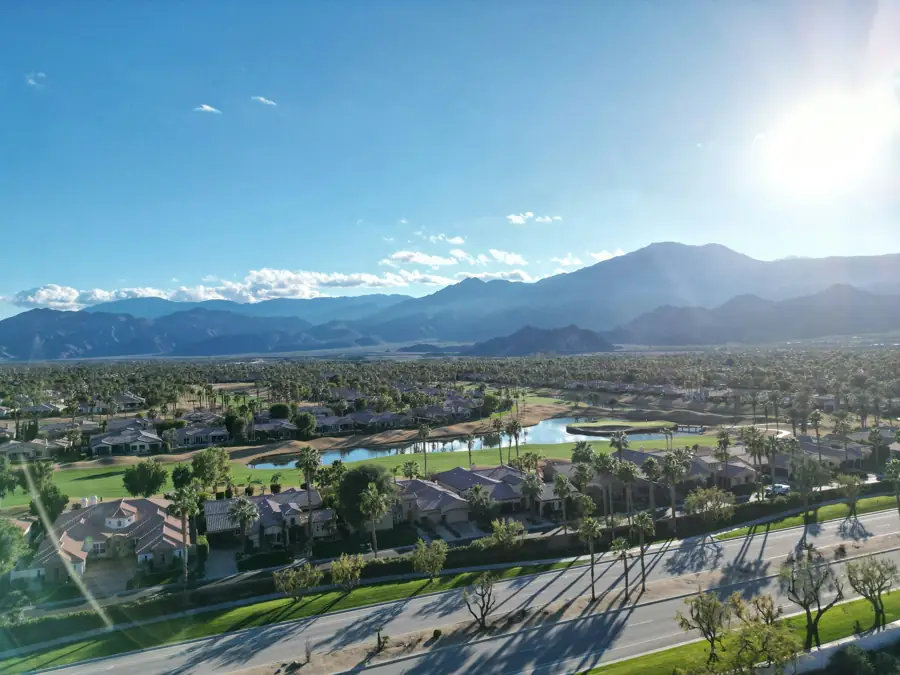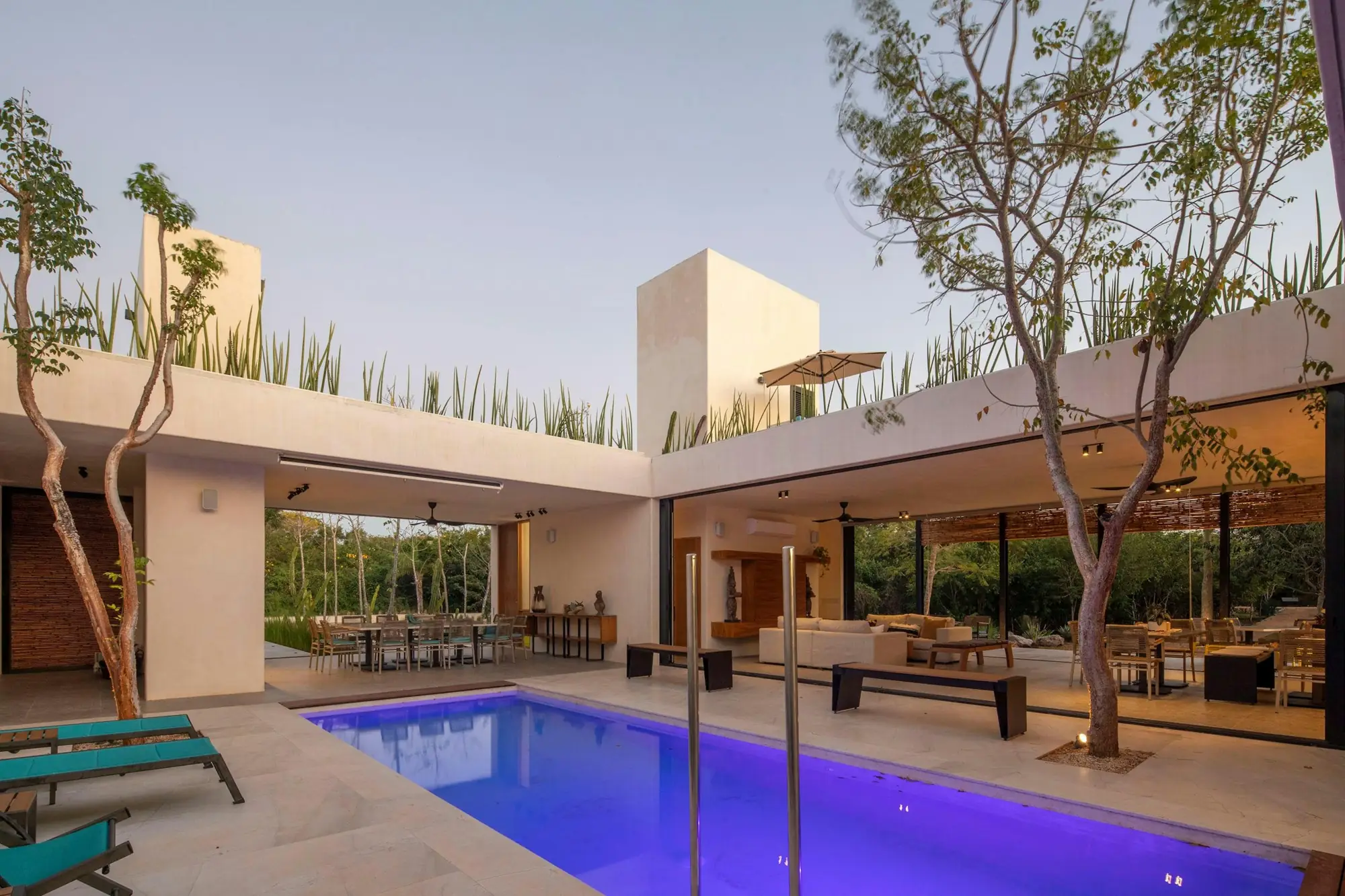
The 55+ communities in Las Vegas range from large, established Del Webb communities with golf courses and multiple recreation centers to newer gated neighborhoods built around a single resort-style clubhouse. They're spread across Summerlin, Henderson, and North Las Vegas, and each has its own rules, dues structure, and amenities.
This guide explains what "age-qualified" means, profiles the major communities, and covers amenities, HOA and club dues, single-story design, Nevada's tax picture for retirement income, proximity to healthcare, and the logistics of downsizing. The free comparison guide puts the communities side by side.
At a glance
- Age-qualified communities follow federal HOPA rules, and each sets its own policy on younger occupants.
- Compare amenities by what you'll use every week, not by clubhouse square footage.
- Dues structures differ: some bundle more services, others layer master, sub-association, and club fees.
- Most homes are single-story with low-maintenance desert landscaping.
- Nevada has no state personal income tax; confirm how that applies to you with a CPA.
What does "age-qualified" mean in Las Vegas?
Age-qualified communities are allowed to restrict occupancy under the federal Housing for Older Persons Act (HOPA). To qualify for the 55-and-older exemption, a community generally must have at least 80 percent of its occupied homes with at least one resident who is 55 or older, publish and follow policies showing it intends to operate as 55+ housing, and verify residents' ages.
Within that framework, each community sets its own rules in its CC&Rs and policies. Those rules commonly address:
- Whether a spouse or co-resident younger than 55 may live in the home
- Minimum ages for other permanent residents
- How long guests may stay
- Age verification at purchase and periodic occupancy surveys
Rules differ, sometimes significantly, so read the documents for the specific community before you write an offer. You'll also see neighborhoods marketed as "active adult" without a legal age restriction. If the restriction matters to you either way, confirm it in the governing documents rather than the brochure.
The major 55+ communities in Las Vegas
These are the larger age-qualified communities in the valley, grouped by area. They range from established neighborhoods with decades of resales to newer gated enclaves where builders have been selling recently, so size, home age, and price point vary widely.
Summerlin
- Sun City Summerlin. Del Webb's original Las Vegas-area community, built beginning in the late 1980s. It's large and established, with three public golf courses (Highland Falls, Palm Valley, and Eagle Crest), several resident recreation centers, and a long list of clubs.
- Trilogy Summerlin. A gated Shea Homes community with attached, paired home designs and a central clubhouse called the Outlook Club.
- Heritage at Stonebridge. A guard-gated Lennar community in the Stonebridge village of Summerlin West, with single-story plans and a resident clubhouse.
Henderson
- Sun City Anthem. A large Del Webb community in the Anthem area with three resident recreation centers: Anthem Center, Independence Center, and Liberty Center.
- Solera at Anthem. A smaller Del Webb community nearby with its own clubhouse.
- Heritage at Cadence. Lennar's guard-gated community inside the Cadence master plan, with a residents-only recreation center.
- Del Webb at Lake Las Vegas. A newer gated community at Lake Las Vegas with a clubhouse, pools, and courts.
North Las Vegas
- Sun City Aliante. A Del Webb community in the Aliante master plan with a clubhouse and the city-owned Aliante Golf Club running through it.
- Del Webb at North Ranch. A newer gated community in the northern part of North Las Vegas with single-story plans and a recreation center.
There are smaller age-qualified neighborhoods around the valley as well. For the surrounding areas, see my guides to Summerlin and Anthem.
Amenities to compare
Every 55+ community advertises a clubhouse. The differences show up in what's inside, how many facilities there are, and how busy they are at the times you'd actually use them.
- Fitness and aquatics: indoor versus outdoor pools, lap lanes, classes, and equipment
- Courts: pickleball, tennis, and bocce, and how court time is reserved
- Golf: on-site or adjacent courses, whether they're public, and any resident rates
- Clubs and classes: the number of active clubs, arts studios, woodshops, computer labs, and performance spaces
- Dining and social space: cafés, restaurants, ballrooms, and event calendars
- Outdoor space: walking paths, parks, dog areas, and trail access
- Staffing: a lifestyle or activities director, front-desk hours, and guest policies
Large communities with several recreation centers offer the most variety, but you may drive to the center that hosts the activity you want. Communities with one clubhouse are simpler to navigate, with fewer options. Tour on a weekday morning, when activity is usually at its peak, and again in the evening.
Get the 55+ Community Comparison GuideA side-by-side table of the valley's age-qualified communities, plus touring checklists and a downsizing timeline.
Get the free guideHow HOA and club dues are structured
Dues in 55+ communities pay for the amenities, staff, and common-area upkeep, and the structures vary more than buyers expect.
- Single association. One HOA owns and runs the recreation centers and common areas, and its dues cover most of it.
- Layered associations. A master association for the larger master plan, plus a sub-association for the 55+ neighborhood and its clubhouse.
- Separate golf fees. Golf is usually its own cost, even when the course runs through the community.
- What's included. Depending on the community, dues can include gate staffing, front-yard maintenance, or exterior upkeep on attached homes. Ask what's covered rather than assuming.
- At closing. Many communities charge a capital contribution or transfer fee, plus resale-package fees.
Ask for the current budget, the reserve study, and the last few years of dues increases and special assessments. A well-funded reserve is a good sign. I don't quote dues here because they change, but I'll pull current figures for any community you're considering. For the mechanics, see my HOA, SID, and LID explainer.
Single-story, low-maintenance living
Most homes in the valley's 55+ communities are single-story, and many are designed around easy upkeep. Features buyers commonly look for:
- Single-level living with the primary suite on the main floor
- Low-step or no-step entries and walk-in showers
- Wider hallways and doorways
- Desert landscaping on drip irrigation, sometimes maintained by the HOA
- Covered patios that face away from the afternoon sun
- Golf-cart garages or extra garage depth in some plans
- Attached or paired homes where the association handles exterior maintenance
Older resale homes may need updates to bathrooms, flooring, and HVAC. Newer communities offer current layouts and energy features, but may come with new-home costs such as finishing the backyard. If you travel often, ask about lock-and-leave practicalities: who checks on the home, how irrigation timers are managed, and whether the community offers a vacation-watch service.
Nevada taxes and retirement income
Nevada has no state personal income tax. For retirement income, that generally means no state income tax on Social Security benefits, pension income, or withdrawals from retirement accounts. Federal income tax still applies.
Property tax is the other piece. Nevada caps annual property-tax increases on an owner-occupied primary residence at 3 percent through what's called the abatement, so make sure the county has your home classified as your primary residence. My post on Nevada property taxes explains how the cap works.
If you're moving from a state with an income tax, the timing of your move, how you establish residency, and how your former state treats income sourced there all matter. Those are questions for a CPA or tax advisor. If you're coming from California, my California-to-Las Vegas guide covers more of the practical side.
How close is healthcare?
Proximity to the hospitals, clinics, and specialists you use matters, and the valley's major hospitals are spread out. A few landmarks by area:
- Summerlin and the northwest: Summerlin Hospital Medical Center, MountainView Hospital, and Centennial Hills Hospital
- Henderson: Henderson Hospital and the Dignity Health St. Rose Dominican campuses
- Central Las Vegas: University Medical Center, Sunrise Hospital, and Valley Hospital
- North Las Vegas: North Vista Hospital
Before you choose a community, map the drive to your primary care doctor, your specialists, and the nearest emergency room, and confirm which facilities and physicians are in your insurance network. Networks change, so verify with your plan directly. It's also worth checking urgent care and pharmacy options close to each community you're considering.
If you'll split time between Las Vegas and another state, ask your plan how coverage works when you're away from each home, and keep copies of your records with you.
Downsizing logistics: selling, sorting, and moving
Most 55+ buyers are also sellers, and the sequence matters.
- Know your number. Start with a realistic value for your current home. A home value estimate is a good first step.
- Measure the new floor plan. Decide what furniture fits before you move it. Pieces that won't fit are easier to sell or donate where they are.
- Choose an order. Sell first, buy first, or line them up. Options include a contingent offer, a bridge loan, or a short rent-back from your buyer. Talk to your lender about which ones you qualify for.
- Sort in stages. Start with the rooms you use least, and give yourself months, not weeks.
- Book movers early, especially for long-distance moves and peak seasons.
- Get settled. Transfer utilities, update your address, and confirm your primary-residence status with the county.
Dana's tip: Photograph each room with its furniture, note the measurements, and sketch the pieces onto the new floor plan before you decide what to keep. It turns an emotional decision into a practical one, and it keeps you from paying movers to haul furniture that won't fit.
The comparison guide includes a full downsizing timeline and a sell-first versus buy-first decision guide. If you're relocating from out of state, my relocation guide covers the move itself.
Resale or new construction in a 55+ community?
Within the valley's age-qualified communities, you'll find two very different buying experiences.
Resale homes in established communities such as Sun City Summerlin, Sun City Anthem, and Sun City Aliante come with mature landscaping, finished yards, and amenities that are fully built out. You can see exactly what you're getting, and there's usually a range of sizes and conditions to choose from. Inspect carefully: depending on age, the roof underlayment, HVAC, water heater, and plumbing may be near the end of their service lives, and original kitchens and baths may need updating.
New construction in communities such as Del Webb at Lake Las Vegas, Del Webb at North Ranch, or the Heritage neighborhoods means current floor plans, energy features, and builder warranties. It also means builder contracts, design-center decisions, a construction timeline, and items like backyard landscaping and window coverings that may not be included. In newer communities, amenities and surrounding retail may still be filling in as phases build out.
Either way, a few steps protect you:
- Read the CC&Rs and age policies before you write an offer
- Get the budget, reserve study, and fee schedule for every association
- Walk or drive the route from the home to the clubhouse you'll use most
- Visit the street at different times of day
- For new construction, bring your agent on your first visit to the sales office
My new construction guide covers the builder side in detail.
Frequently asked questions
What are the main 55+ communities in Las Vegas?
The larger age-qualified communities include Sun City Summerlin, Trilogy Summerlin, and Heritage at Stonebridge in Summerlin; Sun City Anthem, Solera at Anthem, Heritage at Cadence, and Del Webb at Lake Las Vegas in Henderson; and Sun City Aliante and Del Webb at North Ranch in North Las Vegas. They differ in size, age, amenities, and dues, so compare them side by side before touring.
Can someone under 55 live in a 55+ community in Las Vegas?
Often, within limits. Federal HOPA rules require at least 80 percent of occupied homes to have at least one resident 55 or older, which leaves room for community-specific policies. Many communities allow a younger spouse or co-resident, and some set minimum ages for other occupants and limits on guest stays. Rules vary, so read the specific community's CC&Rs and policies before buying.
What is HOPA?
HOPA is the federal Housing for Older Persons Act, which lets qualifying communities restrict occupancy by age without violating fair housing law. For the 55+ exemption, a community generally needs at least 80 percent of occupied homes with at least one resident 55 or older, published policies showing its intent to operate as housing for older persons, and a process for verifying ages.
Are 55+ communities in Las Vegas gated?
Some are. Heritage at Stonebridge and Heritage at Cadence are guard-gated, and Del Webb at North Ranch, Del Webb at Lake Las Vegas, and Trilogy Summerlin are gated. In the larger, older communities, gate status can vary from one neighborhood to the next. Gate staffing affects dues, so confirm the details with the HOA for the specific neighborhood you're considering.
Does Nevada tax Social Security or pension income?
Nevada has no state personal income tax, so it generally doesn't tax Social Security benefits, pensions, or retirement-account withdrawals at the state level. Federal income tax still applies, and moving from another state can raise questions about residency and income sourced there. Confirm your situation with a CPA or tax advisor. My Nevada property tax guide covers the other side.
What do HOA dues cover in a Las Vegas 55+ community?
Dues typically fund the recreation centers, staff, common-area landscaping, and reserves, and in some communities gate staffing, front-yard care, or exterior maintenance on attached homes. Golf is usually separate. Some neighborhoods also sit inside a master association with its own dues. Ask for the budget, reserve study, and fee schedule, and expect a capital contribution or transfer fee at closing in many communities.
Are there new-construction 55+ communities in Las Vegas?
Yes. Builders have sold new homes in age-qualified neighborhoods in recent years, including Del Webb at Lake Las Vegas, Del Webb at North Ranch, and Lennar's Heritage communities. Availability changes as phases sell out, so ask me what's currently selling. If you buy new, bring your agent on the first visit; my new construction guide explains why.
Updated