Relocating to Las Vegas goes more smoothly when you choose the area before you choose the house. The valley is big, and the part of town you land in decides your commute, your HOA, your water provider and even how hot your backyard runs in August.
Most people moving here start with the same questions: where to live, whether to rent first, what utilities and schools look like, and how to buy without flying in five times. This guide answers them in that order and ends with a timeline you can follow. For a fast start, take my neighborhood quiz and grab the free relocation kit on this page.
At a glance
- Pick the area by commute first; I-15, US-95 and the 215 Beltway shape nearly every drive.
- NV Energy and Southwest Gas cover most of the valley, but your water provider depends on the address.
- Summer highs routinely top 100°F, so plan moves, inspections and yard choices around the heat.
- Nevada has no state income tax, and owner-occupied homes get a 3% cap on annual property-tax increases.
- You can buy remotely with live video tours, e-signing and a mail-away closing, though one scouting trip helps.
Where should you live in Las Vegas? Start with the commute
Drives here are short by big-city standards, but the valley is wide, and a poor match between home and work adds up over a year. Before you fall for a floor plan, figure out where you'll drive most days and which freeway gets you there.
The main routes are I-15, which runs north-south past the Strip; US-95, which runs from the northwest through Downtown and on toward Henderson; the 215 Beltway, which wraps around the south, west and north sides of the valley; and Summerlin Parkway, which links the west side to US-95. I-11 continues from Henderson toward Boulder City.
| Job center | Areas with shorter typical drives |
|---|---|
| The Strip and resort corridor | Spring Valley, Enterprise, Southern Highlands, Green Valley, the high-rise condo towers |
| Downtown Las Vegas | Downtown itself, Summerlin via Summerlin Parkway, Centennial Hills via US-95, North Las Vegas |
| Summerlin offices and Downtown Summerlin | Summerlin, The Ridges, western Spring Valley, Centennial Hills |
| Henderson employers and hospitals | Green Valley, Seven Hills, Inspirada, Anthem, Cadence |
| Harry Reid International Airport | Enterprise, Spring Valley, Green Valley, Seven Hills, Southern Highlands |
| Nellis AFB | North Las Vegas, Centennial Hills, Providence, Downtown |
Traffic is heaviest on I-15 through the resort corridor, at the Spaghetti Bowl where I-15 meets US-95 downtown, and on the 215 at rush hour. Drive your future commute at the hour you'd actually make it before you commit. A route that feels easy on a Sunday morning can be a different trip at 7:30 on a weekday.
Dana's tip: Write down the three places you'll drive to most every week, such as work, the gym and the airport if you travel often. Then look for areas that sit between them rather than next to just one. I'll build your search around that list.
The regions of the Las Vegas Valley, explained
Locals talk about the valley by region more than by ZIP code. Here's how I break it down for people moving in.
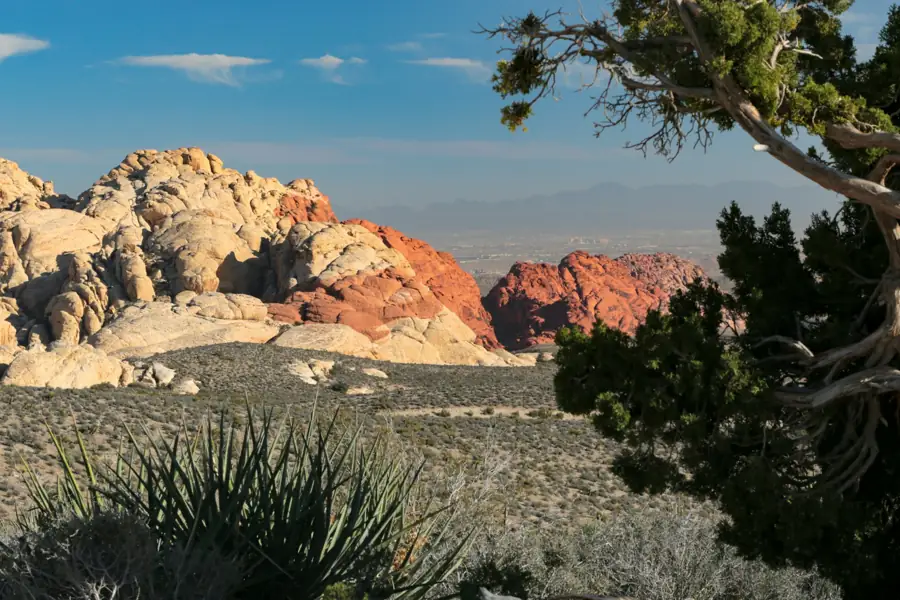
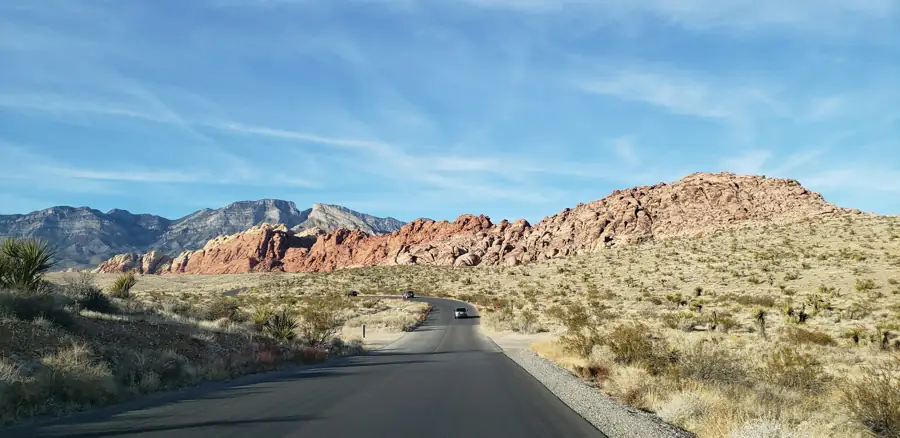
- West. Summerlin is the Howard Hughes master-planned community along the edge of Red Rock Canyon, organized into villages with their own parks and an extensive trail network, plus Downtown Summerlin for shopping and dining. The Ridges is its guard-gated luxury enclave.
- Northwest. Centennial Hills, Providence and Skye Canyon stretch up US-95 toward the Spring Mountains, mixing established subdivisions with newer master-planned streets.
- North. North Las Vegas is its own city, with newer subdivisions on its north end, quick access to I-15 and Nellis AFB, and some of the valley's more affordable single-family options.
- Central. Downtown Las Vegas mixes the Arts District, Fremont Street and older mid-century neighborhoods. The high-rise condo towers along and near the Strip offer lock-and-leave living with staff and amenities.
- Southwest. Spring Valley, Enterprise, Mountain's Edge, Southern Highlands and Rhodes Ranch sit close to the Strip, the airport and I-15 south toward California. Much of the valley's newer construction has gone up here.
- Henderson. Henderson is a separate city with its own police, parks and water service. It includes established Green Valley and Seven Hills, hillside Anthem and MacDonald Highlands, newer master plans like Inspirada and Cadence, and resort-style Lake Las Vegas.
- Boulder City. Boulder City sits beyond Henderson near Hoover Dam and Lake Mead. It has no casinos, a growth-control ordinance that limits new building, and city-run utilities.
The east and southeast sides of the valley also hold plenty of older, more modestly priced neighborhoods, and I'm happy to walk you through them. To narrow things down, browse all of my neighborhood guides or read Summerlin vs. Henderson, two areas newcomers often weigh against each other.
Should you rent first or buy right away?
There's no universal answer, but there is a right answer for your situation. Renting first makes sense if you don't know the valley yet, your job location isn't settled, or you're waiting on the sale of a home somewhere else. A lease lets you learn the commute, live through a summer and decide which part of town suits you.
Buying right away makes sense if you've visited enough to know the area you want, your work location is set, and you'd rather move once. Moving twice costs real money and energy, and the rent you pay while you decide doesn't build equity.
- Lean toward renting first if this is your first time living in the desert, your employer hasn't confirmed your office, or your current home hasn't sold.
- Lean toward buying first if you've already narrowed it to one or two areas, you're pre-approved, and you can tour remotely or make a scouting trip.
- Consider a middle path: rent short-term near where you expect to buy and start touring right away, or lease while a builder finishes a new home. My new construction guide explains how build timelines and builder contracts work.
If you rent first, look for a lease with a fair early-termination clause or a month-to-month option. A lease that runs months past your closing date is an expensive overlap.
Get the free Las Vegas Relocation KitA neighborhood cheat sheet, cost-of-living worksheet, 8-week moving checklist and first-30-days list for your move to Nevada.
Get the free guideWhat is the weather really like? Summer, monsoon and the good months
Las Vegas has four seasons, but they aren't evenly weighted. From roughly June through September, daytime highs routinely run above 100°F, nights stay warm, and the sun is intense. Humidity is low, which helps, but cars, pools and backyards all run hot.
From about July into September, monsoon moisture can bring sudden thunderstorms, strong wind and flash flooding in washes and low streets. Spring and fall are the reward, with long stretches of mild, sunny weather. Winters are cool, with occasional freezing nights and snow on the surrounding mountains.
What the climate means for your move and your purchase:
- In summer, schedule movers for early morning, and keep electronics, medications, candles, wine and anything else heat-sensitive out of the truck if you can.
- Check which way the backyard faces. West-facing yards and windows take the hardest afternoon sun, so covered patios and shade screens matter.
- Have the A/C system inspected and serviced, and note the age of each unit.
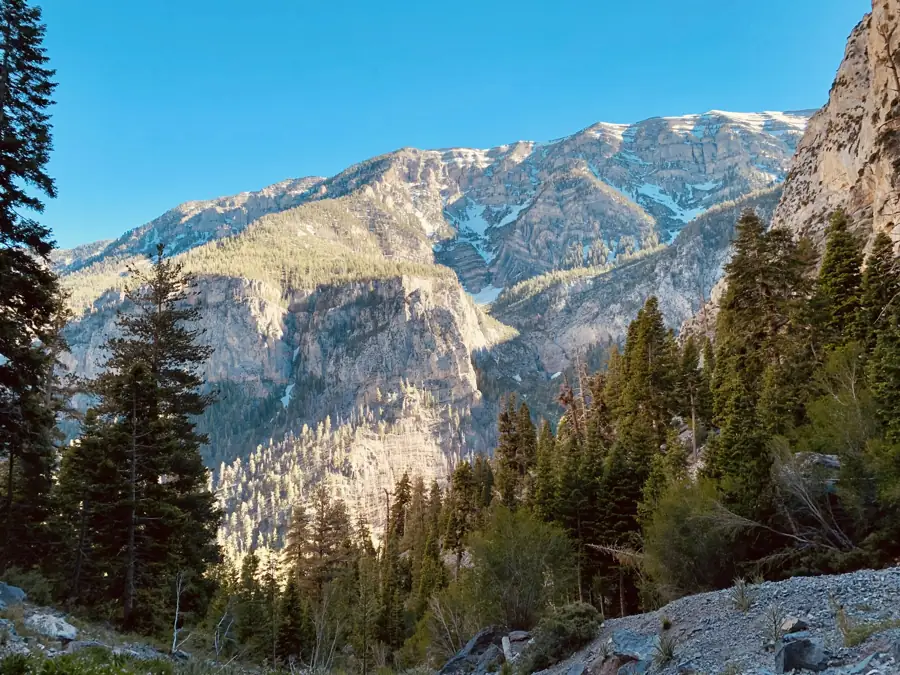
- Higher-elevation areas on the west and northwest sides often run a few degrees cooler than the valley floor.
For pools, solar, desert landscaping and water rules, read my guide to desert homeownership.
Setting up utilities: power, gas, water and trash
Utility setup is straightforward once you know who serves your address. The detail most newcomers miss is that the water provider depends on which city, or which part of unincorporated Clark County, the home sits in.
| Service | Who provides it | What to know |
|---|---|---|
| Electricity | NV Energy | Serves most of the valley. Boulder City runs its own municipal electric utility. |
| Natural gas | Southwest Gas | Check whether a home uses gas or is all-electric before you compare bills. |
| Water in the City of Las Vegas and unincorporated Clark County | Las Vegas Valley Water District | Covers areas like Summerlin, Spring Valley, Enterprise, Mountain's Edge and Southern Highlands. |
| Water in Henderson | City of Henderson | The city handles water and sewer. |
| Water in North Las Vegas | City of North Las Vegas | The city runs its own water utility. |
| Electric, water and sewer in Boulder City | City of Boulder City | All three come from the city. |
| Trash and recycling | Republic Services | Serves most of the valley. |
| Internet | Varies by address | Cox is the main cable provider; fiber availability varies street by street. |
Service boundaries don't always follow city lines, so confirm providers by address. Before you close, I'll give you the list for your specific home so you can schedule service to start on the day you get keys. The Southern Nevada Water Authority also sets a seasonal watering schedule that limits which days sprinklers can run, so reset the irrigation timer after you move in.
Dana's tip: Ask for the last twelve months of power bills on any home you're serious about, and ask whether any solar panels are owned, financed or leased. Leased or financed panels come with a contract you may have to take over, and that belongs in your offer decision.
Schools: CCSD, magnet programs, charters and private options
Public schools across the valley are run by the Clark County School District (CCSD), which serves all of Clark County. Attendance zones are set by address and can change as the district adjusts boundaries, so confirm the zoned schools for any specific property directly with CCSD before you buy. Don't rely on a listing description for this.
Beyond the zoned school, there are several paths to research:
- Magnet schools and career and technical academies. CCSD runs application-based programs with specific focuses. Application windows open well before the school year starts, so check timing as soon as you know you're moving.
- Charter schools. Nevada has public charter schools, many authorized by the State Public Charter School Authority. Many use enrollment lotteries and waitlists.
- Private and religious schools. A range of independent schools operate across the valley, each with its own admissions calendar and tuition.
I don't publish school ratings. Visit campuses, talk with administrators and look closely at the programs that matter to you. If being near a particular campus is important, tell me early and I'll filter homes by distance to it.
Healthcare, the DMV and other new-resident tasks
The valley has several hospital systems, including UMC (University Medical Center), the county's public hospital and trauma center, plus hospitals run by larger health systems in Henderson, Summerlin, the northwest and central Las Vegas. If you take ongoing prescriptions or see specialists, start looking for doctors before you move. New-patient appointments can take a while to land, and you'll want to confirm which providers are in-network on your new insurance.
Driver's license and vehicle registration
Nevada gives new residents a short window, roughly a month after moving, to get a Nevada driver's license and register their vehicles. Check the Nevada DMV's new-resident page for current requirements, because a few steps catch people off guard:
- You'll need a Nevada auto insurance policy before you can register a car.
- Vehicles that have never been registered in Nevada need a VIN inspection.
- Most gas and diesel vehicles in the Las Vegas area need an emissions test.
- Bring identity, Social Security and proof-of-residency documents from the DMV's accepted list.
- Appointments can book out, so reserve one as soon as you have a Nevada address.
While you're at it, register to vote at the DMV or online through the Nevada Secretary of State. If you bought a home, confirm with the Clark County Assessor that it's recorded as your owner-occupied primary residence so the 3% cap on annual property-tax increases applies. My Nevada property taxes guide explains how the bill works.
How I run a remote home search for out-of-state buyers
Plenty of buyers purchase here before they live here, and I set up my process for exactly that. Here's how it works:
- A planning call. We cover budget, commute, home style, HOA tolerance and must-haves, and I can introduce you to local lenders if you don't already have one.
- A written buyer agreement. Industry rules now require a signed buyer agreement before we tour homes together, including live video tours, so we handle that up front.
- A curated search. I set up a custom home search and send listings with notes on what photos can't show: a busy road behind the wall, an awkward lot, a backyard that faces west.
- Live video tours. I walk homes with you on FaceTime or Zoom, open closets and cabinets, run faucets, show the view from the backyard and drive the surrounding streets.
- One scouting trip, if you can swing it. Two or three days to see your short list and drive the commute is worth weeks of browsing online.
- Offer and escrow by e-signature. Contracts and disclosures are signed electronically, and I can attend the inspection and walk you through the findings by video.
- A remote closing. Title companies here regularly arrange mail-away signings with a mobile notary. Ask your lender and title officer about remote options early.
One trick for video tours: ask me to stand quietly in the backyard for thirty seconds. You'll hear the freeway, flight paths or a busy arterial that photos never reveal. The full playbook is in my guide to buying a home in Las Vegas remotely.
A Las Vegas relocation timeline that works
Every move is different, but this sequence keeps most relocations on track. Start earlier if you're selling a home somewhere else.
| When | What to do |
|---|---|
| 4 to 6 months out | Take the neighborhood quiz, shortlist two or three areas, talk with a lender and decide whether to rent first or buy. |
| 3 months out | Get fully pre-approved, start video tours, plan a scouting trip and research schools if they matter to you. |
| 6 to 8 weeks out | Write an offer, open escrow, schedule inspections and book movers. In summer, ask for early-morning loading. |
| 2 to 4 weeks out | Lock in homeowners insurance, schedule utility start dates, forward your mail and confirm closing details with the title company. |
| Closing week | Do the final walkthrough in person or by video, sign, and get keys once the deed records. |
| First 30 days | Get your Nevada license, register vehicles, register to vote, confirm your primary-residence status with the Assessor and set the irrigation timer. |
Coming from California? My California-to-Las Vegas guide covers taxes, Prop 13 and timing two sales, and my cost of living comparison helps you build a realistic budget. When you're ready to talk through your move, reach out to me and we'll map out your search.
Frequently asked questions
What is the best area to live in Las Vegas?
It depends on where you'll commute, your budget and the home style you want. Summerlin and the northwest offer master-planned streets near the mountains, Henderson is a separate city with established and newer areas, and the southwest puts you near the Strip, the airport and I-15 south. My quiz matches areas to your answers: take the neighborhood quiz.
Should I rent before buying a home in Las Vegas?
Rent first if you don't know the valley, your job location isn't settled, or you're waiting on a home sale elsewhere. Buy right away if you've already narrowed your search to an area or two, you're pre-approved, and you'd rather move once. A short lease near your target area is a good middle path, as long as it doesn't run far past your likely closing date.
Who provides water and power in Las Vegas?
It depends on the address. The Las Vegas Valley Water District serves the City of Las Vegas and unincorporated Clark County, including Summerlin, Spring Valley and Enterprise. Henderson, North Las Vegas and Boulder City run their own water utilities. NV Energy provides electricity across most of the valley, except Boulder City, which has its own electric utility, and Southwest Gas provides natural gas.
How long do I have to get a Nevada driver's license after moving?
Nevada gives new residents a short window, roughly a month after establishing residency, to get a Nevada driver's license and register their vehicles. You'll need Nevada auto insurance, and out-of-state vehicles typically need a VIN inspection and, in the Las Vegas area, an emissions test. Check the Nevada DMV's new-resident page for current rules and book an appointment early.
Can I buy a house in Las Vegas without visiting first?
Yes. Buyers regularly purchase here remotely using live video tours, electronic signatures and a mail-away or remote closing arranged through the title company. I still recommend one short scouting trip if you can manage it, because driving the commute and standing in a backyard tell you things a camera can't. Here's how it works: buying a home in Las Vegas remotely.
How hot does Las Vegas get in the summer?
Very hot. From roughly June through September, daytime highs routinely run above 100°F and nights stay warm. Humidity is low, and monsoon storms can bring sudden wind, rain and flash flooding from about July into September. Plan moves for early mornings, check which way a backyard faces, and ask for a year of power bills on any home you're considering.
Does Nevada have a state income tax?
No. Nevada has no state personal income tax, a major reason many people relocate here. Homeowners also benefit from a cap that limits annual property-tax increases on an owner-occupied primary residence to 3%. Sales tax and other costs still apply, so build a full budget. My Nevada property taxes guide breaks down how the bill works.
Updated