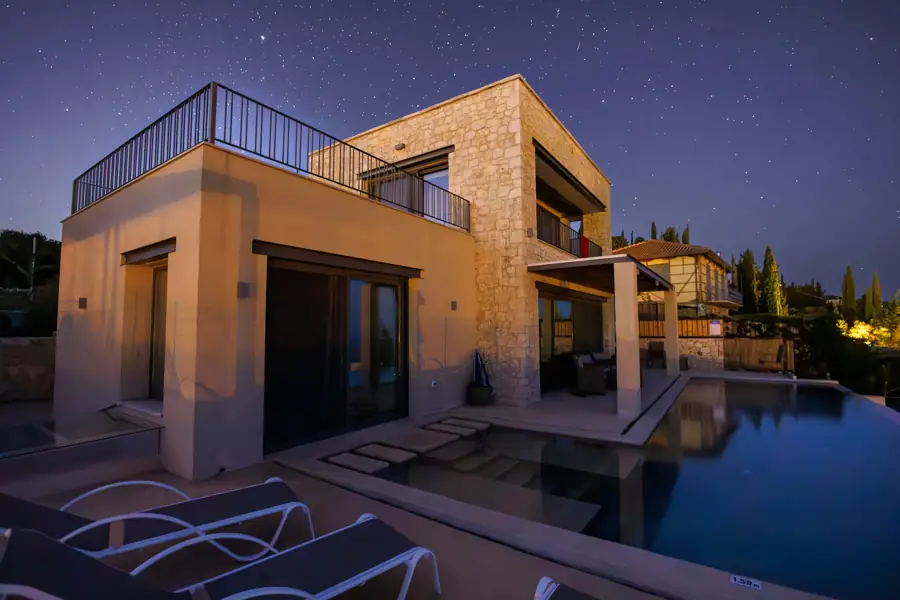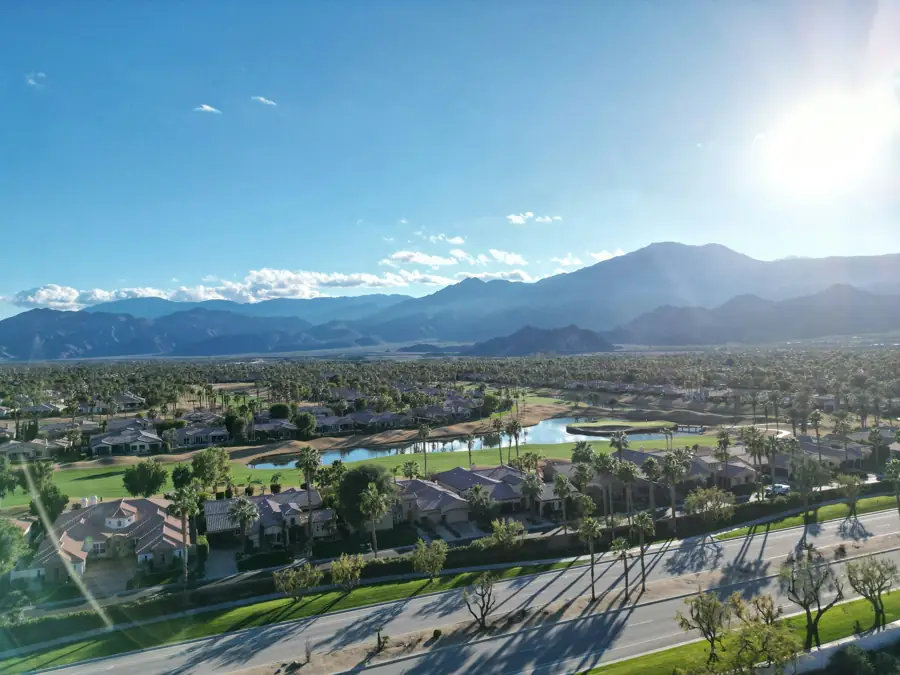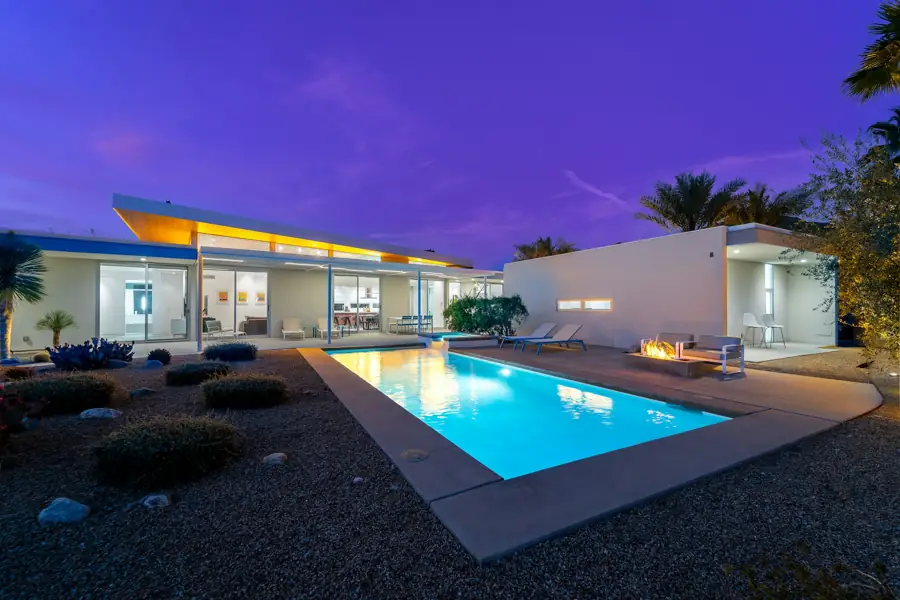
Shopping for luxury homes in Las Vegas means choosing between very different ways to live at the high end: hillside estates looking at the Strip, golf-course homes behind a staffed gate, waterfront property on a man-made lake, mid-century estates near downtown, and full-service towers. Each comes with its own rules, costs, and tradeoffs.
This guide covers the main enclaves, what "guard-gated" actually gets you, custom versus resale, buying a lot to build, jumbo financing and proof of funds, how I keep showings private, and the orientation details that decide whether a view home is pleasant in July. It's the framework I walk through with a client before the first tour.
From my own listings: my recent listings include a custom estate inside the guard-gated Southern Highlands Golf Club, alongside condos downtown and near the Strip. Luxury buyers get the same preparation and discretion at every step.
At a glance
- Guard-gated means a staffed gatehouse; gated usually means a call box. Know which one you're paying for.
- Hillside lots in Henderson and western Summerlin trade on views, and orientation decides how livable they are.
- Jumbo loans and cash offers both start with clean, organized proof of funds.
- Buying a lot to build adds design review, deadlines, and construction risk. Budget time as carefully as money.
- Some high-end homes are marketed quietly, so a clear, specific search brief matters.
Where are the luxury neighborhoods in Las Vegas?
The valley's high-end inventory clusters in a handful of places, and they feel very different from one another. Here's how I sketch them for someone new to the market.
| Enclave | Where | What defines it |
|---|---|---|
| The Ridges | Summerlin, west valley | Guard-gated custom and semi-custom estates on rolling terrain, with views toward the Strip or the Spring Mountains |
| The Summit Club | Far western Summerlin | Private, membership-based club community developed by Discovery Land Company with Howard Hughes, built around a private golf course |
| Red Rock Country Club | Summerlin | Guard-gated golf community built around two Arnold Palmer-designed courses, with Red Rock Canyon on the western skyline |
| MacDonald Highlands | Henderson | Guard-gated hillside community around the private DragonRidge Country Club, with sweeping valley and Strip views |
| Ascaya | Henderson, on the slopes of the McCullough Range | Guard-gated custom-lot community known for contemporary architecture and elevated views |
| Southern Highlands Golf Club | South valley, along I-15 | Guard-gated enclave inside the larger Southern Highlands master plan, around a private course co-designed by Robert Trent Jones Sr. and Jr. |
| Lake Las Vegas | East Henderson | Homes around a large man-made lake, with waterfront and hillside lots, a village center, and golf |
| Scotch 80s | Central Las Vegas, near Rancho Drive and Charleston Boulevard | Large lots, mature trees, and a mix of mid-century homes and newer rebuilds, minutes from downtown |
| High-rise residences | Mostly on and near the Strip | Towers with concierge, valet, and lock-and-leave convenience, priced heavily by floor and view line |
Inside each of these, price and character swing a lot by street, lot, and view. Two homes a few hundred feet apart behind the same gate can have completely different sun exposure, privacy, and resale appeal. That's why I like to tour an enclave once before narrowing to specific listings.
Prefer golf as the organizing idea? My guide to golf course homes in Las Vegas goes club by club.
Guard-gated vs. gated: what's the difference?
The two terms get used loosely in listing copy, but they describe different setups with different costs.
- Guard-gated means a staffed gatehouse. Visitors are announced or pre-listed, contractors and deliveries are logged, and some communities add roving patrols inside the gates. Staffing is one of the bigger line items in the HOA budget.
- Gated usually means an unstaffed gate with a call box, remote, or transponder. It controls vehicle access, but no one is at the gate to screen visitors.
Many luxury enclaves sit inside a larger master plan, so you can end up with layers: a master association, a guard-gated sub-association, and sometimes a club. Each has its own dues, rules, and budget, and they add up.
Practical questions I ask on every guard-gated listing: Is the gate staffed around the clock or only certain hours? How are guests, rideshare drivers, and food deliveries handled? Can you keep a permanent list for housekeepers, landscapers, and regular visitors? Is there a separate construction entrance? Those details shape daily life more than the gatehouse architecture does.
Dana's tip: A gate controls access; it isn't a promise about anything else. Judge an enclave on lot privacy, sightlines, and the HOA's track record, and treat the gate as one feature among several.
Custom builds vs. resale: which makes more sense?
At the top of the Las Vegas market you'll see three kinds of homes: true custom homes designed for an original owner, semi-custom homes from luxury builders, and resales of both. Each has a different risk profile.
Buying resale gets you a finished house, mature landscaping, and a known tax bill and HOA history. You can inspect what's actually there. The tradeoff is that you're inheriting someone else's taste and, often, a list of updates.
Buying a recently built custom can be the sweet spot. Someone else absorbed the design and construction timeline, and the systems are newer. Ask for the plans, the builder's name, permits, and any warranty that transfers.
Unique homes bring their own diligence. Multiple HVAC zones, elevators, large pool and spa systems, home automation, wine rooms, and walls of glass each deserve a specialist's eye beyond a general inspection. And because one-of-a-kind homes have fewer comparable sales, appraisals can come in below contract price. If you're financing, plan for that possibility before you write the offer.
Request a private consultationTell me the enclaves, views, and timing you have in mind. I'll set up a confidential call and arrange private showings when you're ready.
Request a consultationBuying a lot and building a custom home
Several luxury enclaves, including hillside communities in Henderson and western Summerlin, sell finished custom lots. Building lets you control orientation, layout, and finishes. It also adds steps resale buyers never deal with.
- Lot due diligence. Get the soils and geotechnical information, confirm utilities at the lot line, and review easements, setbacks, and height limits. On hillside lots, rock excavation and retaining walls can move the budget substantially.
- Design guidelines. Read the community's architectural guidelines before you buy the lot. They control style, materials, massing, and sometimes minimum square footage.
- Team selection. Interview more than one architect and builder, and ask to see homes they've completed in that specific community.
- Design review. Plans go through the HOA's review committee, often in stages, with submittal fees and construction deposits.
- Financing. Lot loans and construction loans work differently from standard mortgages, so talk to a lender early.
- Deadlines. Some communities set deadlines to start or finish construction after you buy a lot. Ask before you close.
Dana's tip: Stand on the lot at sunrise and in late afternoon, and look at what's buildable on the lots below and beside you. The view you're paying for is only as durable as what the neighbors are allowed to build.
Jumbo loans and proof of funds
Many luxury purchases exceed the conforming loan limit, which means a jumbo loan. Jumbo guidelines vary by lender, but they commonly ask for more documentation, larger cash reserves, and a bigger down payment than conforming loans. Some require a second appraisal at higher loan amounts.
Financed or cash, sellers at this level expect proof of funds with the offer, and some listing agents ask for it before a showing. A few things make that go smoothly:
- A recent statement or a letter from your bank or wealth manager showing liquid funds, with account numbers redacted
- A fully underwritten jumbo preapproval, not just a prequalification
- If funds are coming from investments or another sale, a clear note on timing
- If you're buying through a trust or entity, the documents ready for title and the lender
Some buyers pay cash and refinance afterward, or use a portfolio or pledged-asset loan. Those strategies have cost and tax implications, so confirm the specifics with your lender and CPA before you choose one.
How private showings and confidentiality work
Plenty of luxury buyers and sellers care about privacy, and I run showings with that in mind.
- Appointment-only tours. Most high-end listings show by appointment. I schedule them back to back within an enclave so you're not crisscrossing the valley.
- Need-to-know details. I share your name, financing, and reasons for moving only as far as the transaction requires. Listing agents get qualification, not a biography.
- Video previews. For out-of-town buyers, I'll walk a home live on video first so in-person time goes to real contenders. My guide to buying a home in Las Vegas remotely covers the logistics.
- Confidentiality agreements. Some sellers ask buyers to sign one before seeing a home or its disclosures. Read it, and ask an attorney if the terms look unusual.
Buyers sometimes ask about purchasing in a trust or LLC for privacy. Deeds are public records, and how you take title has tax, liability, and financing consequences. That's a conversation for your attorney and CPA before you write an offer.
HOA rules and architectural review
Expect an HOA in every luxury enclave, and often more than one. The rules matter as much as the dues, especially if you plan to remodel.
Most luxury communities require architectural approval for anything exterior: paint colors, pools, outdoor kitchens, landscaping, solar placement, lighting, additions, even some window replacements. Reviews take time and often carry submittal fees, refundable construction deposits, and rules on contractor hours and parking.
Before you remove contingencies, read:
- The CC&Rs, bylaws, and design guidelines
- The current budget and reserve study
- Any pending special assessments or litigation
- Club membership rules, if a club is attached: required, optional, or transferable with the home?
- Leasing rules, if future flexibility matters to you
For how assessments stack up across associations, see my explainer on Las Vegas HOA, SID, and LID fees.
Views and orientation: sun, wind, and the Strip
In the desert, orientation decides how a view home lives. A few principles I walk through on every hillside property:
- Strip and city views generally face east from the western Summerlin foothills and north or northwest from the Henderson hillsides. Night views are the payoff, so check the daytime view too.
- Mountain and Red Rock views face west, which means the view glass also faces the hottest afternoon sun. Ask about glass coatings, overhangs, motorized shades, and summer power bills.
- Backyards facing north or east are shaded in the late afternoon, which makes patios usable on summer evenings. A west-facing backyard takes the full force of the afternoon sun.
- Wind matters more on ridgelines and elevated lots. The valley has a windy season in spring, and exposed lots feel it most. Visit on a breezy day and notice how the pool, fire features, and outdoor dining areas are sheltered.
- View protection. Ask whether the lot below is built, buildable, or protected open space, and what height limits apply to it.
I also look at sightlines into neighbors' windows and yards. A spectacular view loses some appeal if three second-story balconies look straight into your pool.
How some luxury homes sell quietly
Not every high-end home is broadly marketed. Some sellers prefer a limited approach for privacy: a short pre-marketing period, an office-only listing, or showings only to buyers who have been qualified in advance. MLS and brokerage rules govern how those listings can be handled, and those rules have been changing, so the specifics vary.
The approach that works best for buyers is simple: be specific and be ready.
- Write a clear brief: enclaves, lot type, views, must-haves, deal-breakers, and timing
- Have proof of funds or a jumbo preapproval ready before you need it
- Have your agent make direct, discreet inquiries with listing agents who work in your target enclaves
- Watch for homes that were listed and then withdrawn or expired; some owners stay open to a direct offer
None of this replaces watching the open market; it supplements it. When you're ready, reach out to me and we'll put your brief together.
Frequently asked questions
Where are the most expensive homes in Las Vegas?
Much of the valley's top-tier inventory sits in a few enclaves: The Ridges, The Summit Club, and Red Rock Country Club in Summerlin; MacDonald Highlands and Ascaya in Henderson; the Southern Highlands Golf Club enclave; waterfront Lake Las Vegas; the Scotch 80s near downtown; and upper floors of the high-rise towers. Prices vary enormously within each by lot, view, and finish, so ask me for recent sales in the ones you're considering.
What does guard-gated mean in Las Vegas?
A guard-gated community has a staffed gatehouse where visitors are announced or pre-listed and contractors and deliveries are logged. Some add roving patrols. A community that is simply gated usually has an unstaffed gate with a call box or remote. Staffing costs show up in HOA dues, so confirm the gate's hours and visitor procedures before you buy.
How much do I need for a down payment on a jumbo loan?
It depends on the lender, the loan amount, your credit, and the property. Jumbo programs commonly require a larger down payment and more cash reserves than conforming loans, and some ask for a second appraisal at higher amounts. Get a full jumbo preapproval from a lender experienced with high-end purchases, and confirm the specifics with them before you start touring.
Is it better to buy a custom home or build one in Las Vegas?
Buying a finished custom home gets you a known product, mature landscaping, and a faster move. Building lets you control layout and orientation, but adds lot due diligence, design review, construction financing, and a long construction timeline. Many buyers land in between by purchasing a recently completed custom home. The right choice depends mostly on your timeline and your appetite for managing a project.
Can I tour luxury homes in Las Vegas privately?
Yes. Most high-end listings show by appointment only, and I schedule private tours grouped by enclave. Some sellers require proof of funds or a preapproval before a showing, and a few ask buyers to sign a confidentiality agreement. If you're out of town, I can walk homes on live video first so your in-person visit focuses on serious contenders.
Do Las Vegas luxury communities have HOA fees?
Almost always, and often more than one. A guard-gated enclave inside a master plan may carry master association dues, sub-association dues for the gate and private streets, and separate club dues if a membership is attached. Ask for every association's budget, reserve study, and fee schedule. My explainer on HOA, SID, and LID fees shows how they stack.
Which direction should a house face in Las Vegas?
Many buyers prefer a backyard that faces north or east, because the house shades the patio in the late afternoon. West-facing yards and windows take the strongest summer sun, which affects comfort and cooling bills. On view homes, the view often dictates orientation, so look closely at glass coatings, overhangs, and shading before you commit.
Updated